

Restoration of the Loggia dei Vini at Villa Borghese Completed: a historic landmark returns to the City of Rome
08/06/2026 - 08:45
The restoration of the Loggia dei Vini at Villa Borghese has been completed, marking the culmination of a three-year project donated by Ghella to the City of Rome and carried out by R.O.M.A. Consorzio under the scientific supervision of the Capitoline Superintendence for Cultural Heritage.
Launched in 2024 and delivered through three successive phases, the project has restored and enhanced one of the most fascinating yet little-known sites within Villa Borghese, Rome's historic park. With the completion of the final phase, the Loggia has been fully returned to public use and will officially reopen on 11 June to coincide with the inauguration of LAVINIA, a contemporary art project promoted by Ghella and curated by Salvatore Lacagnina.
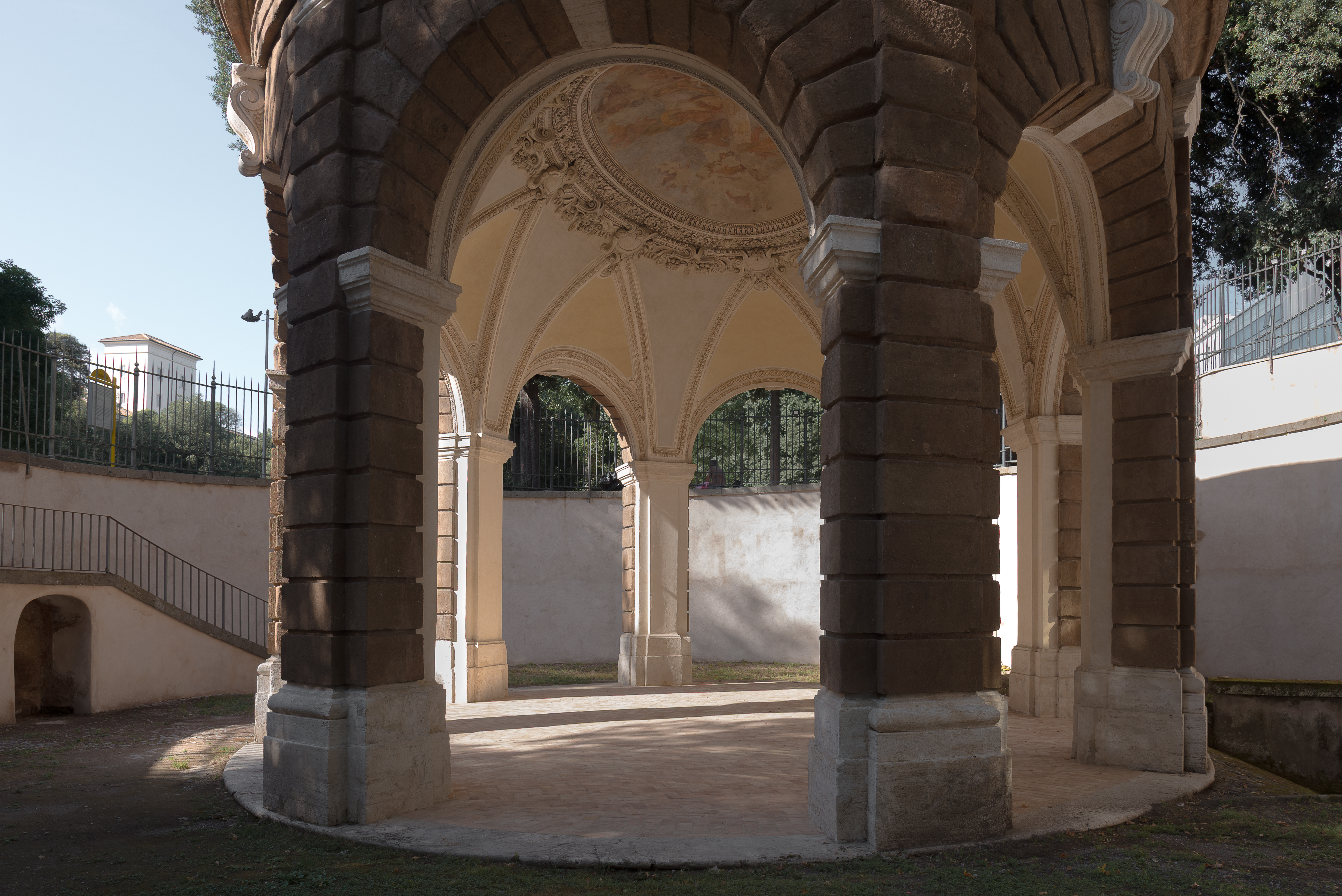
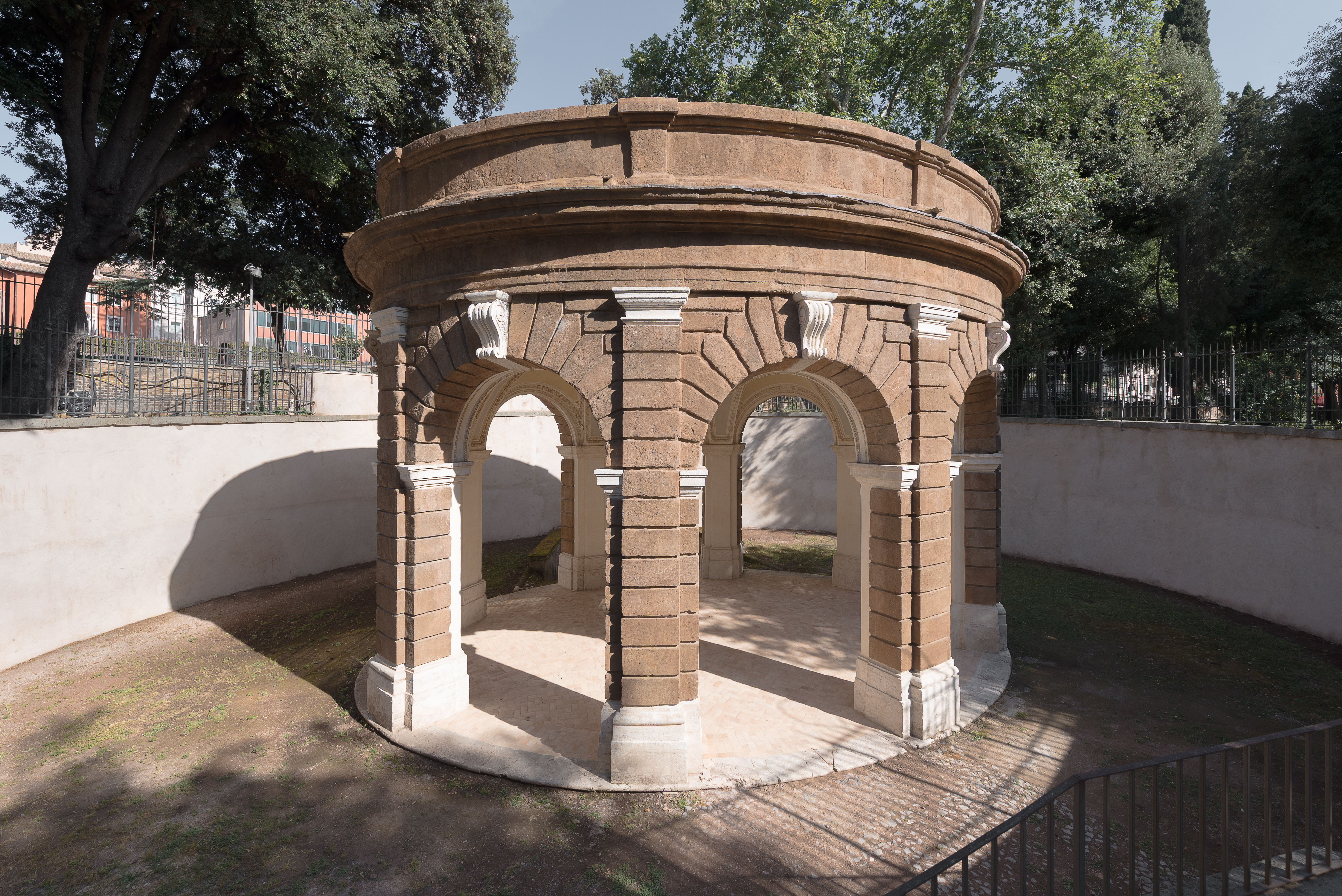
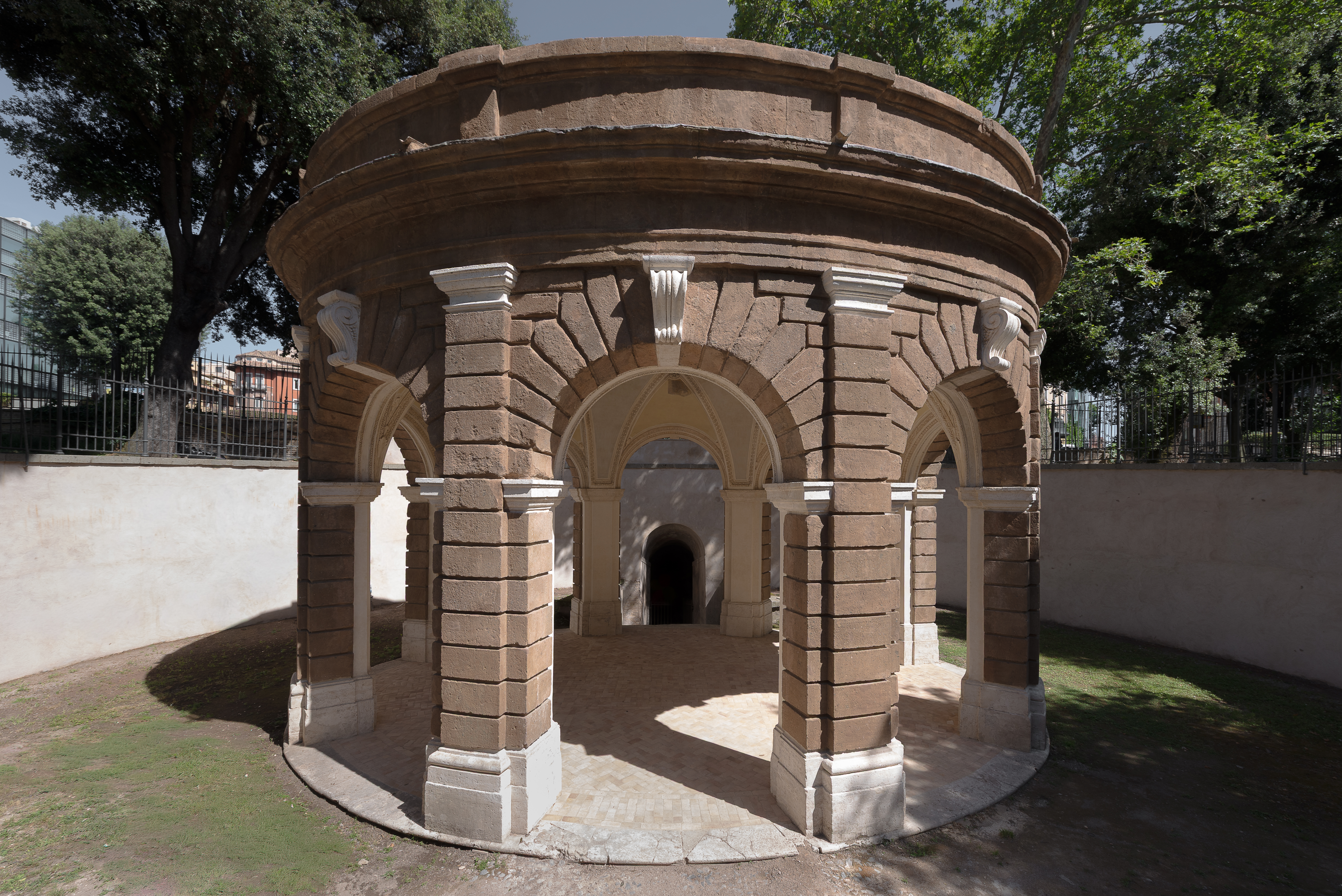
Built between 1609 and 1618 to designs by Flaminio Ponzio and later completed by Giovanni Vasanzio for Cardinal Scipione Borghese, the Loggia dei Vini—originally known as the Nymphaeum of Villa Borghese—was one of the estate's most distinctive and theatrical spaces. Conceived as a venue for gatherings and entertainment during the summer months, it hosted banquets, celebrations and receptions for guests of the Borghese family.
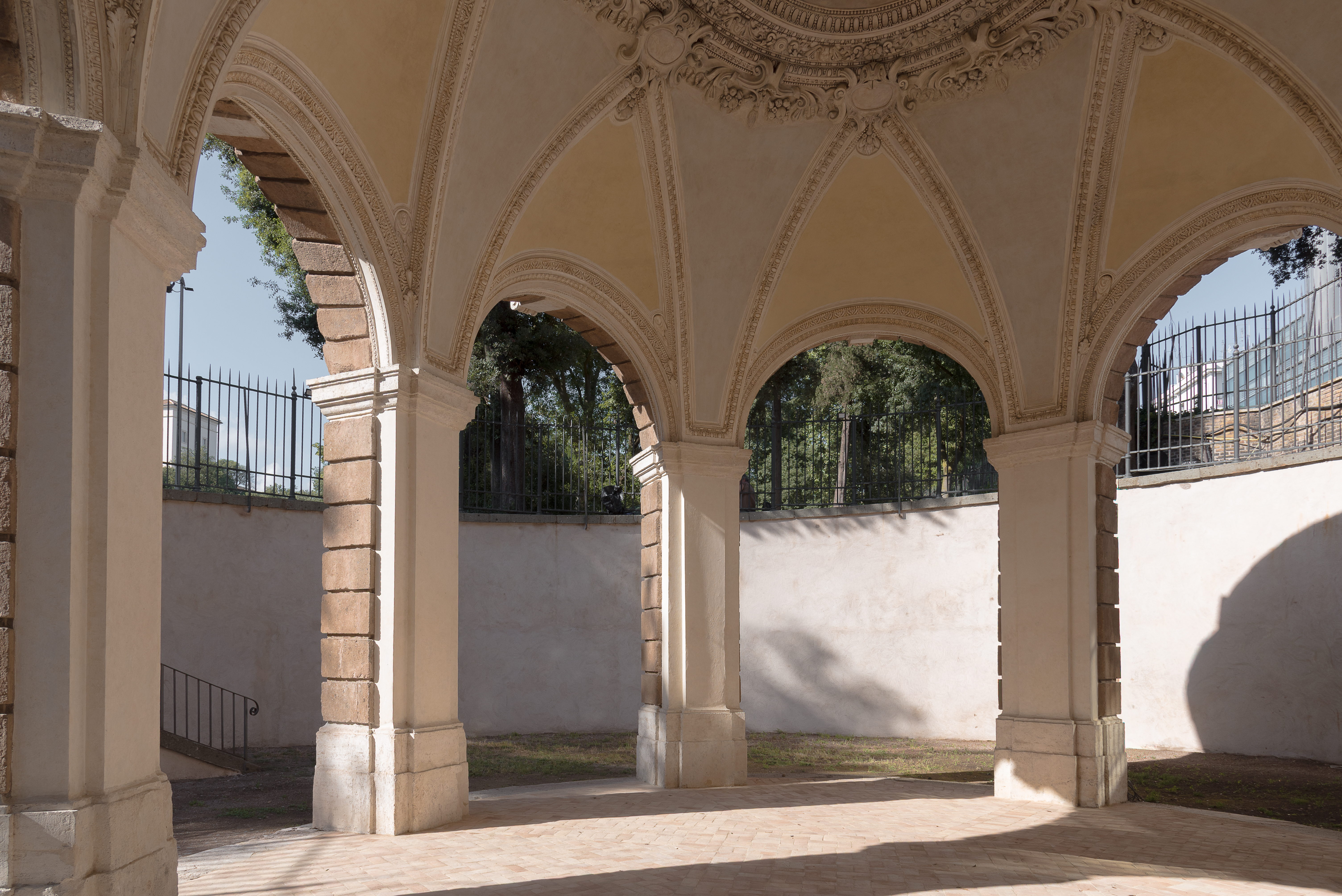
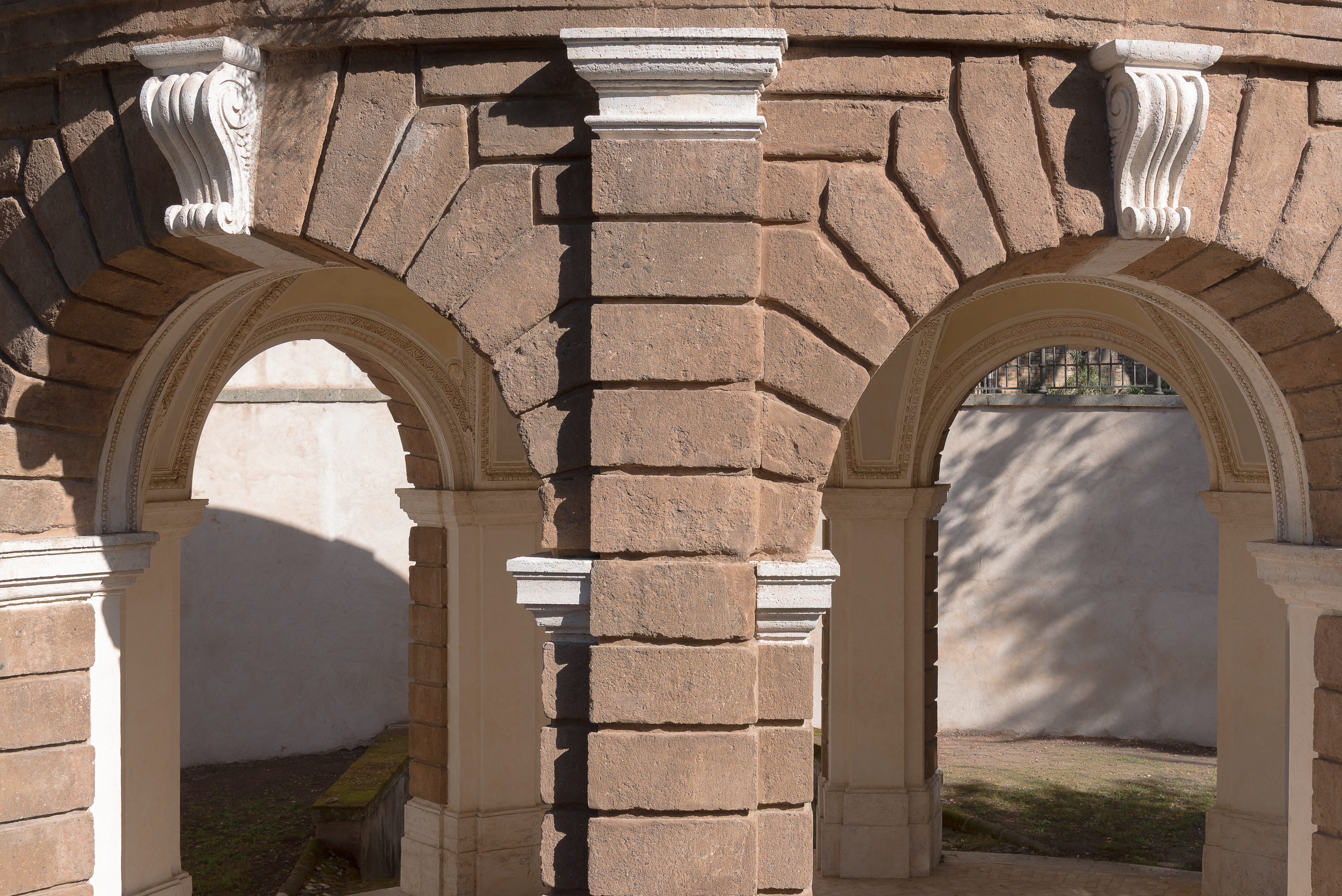
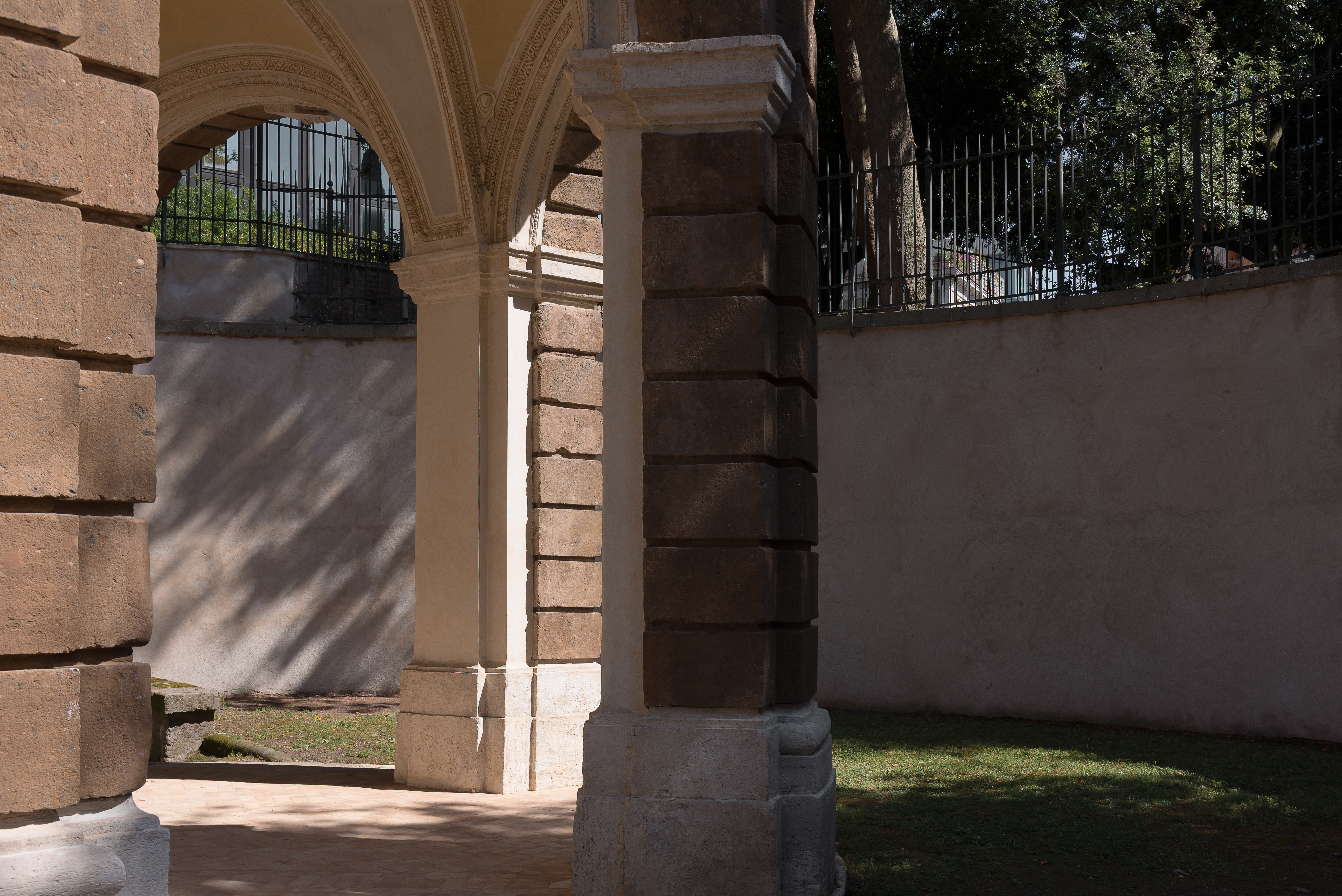
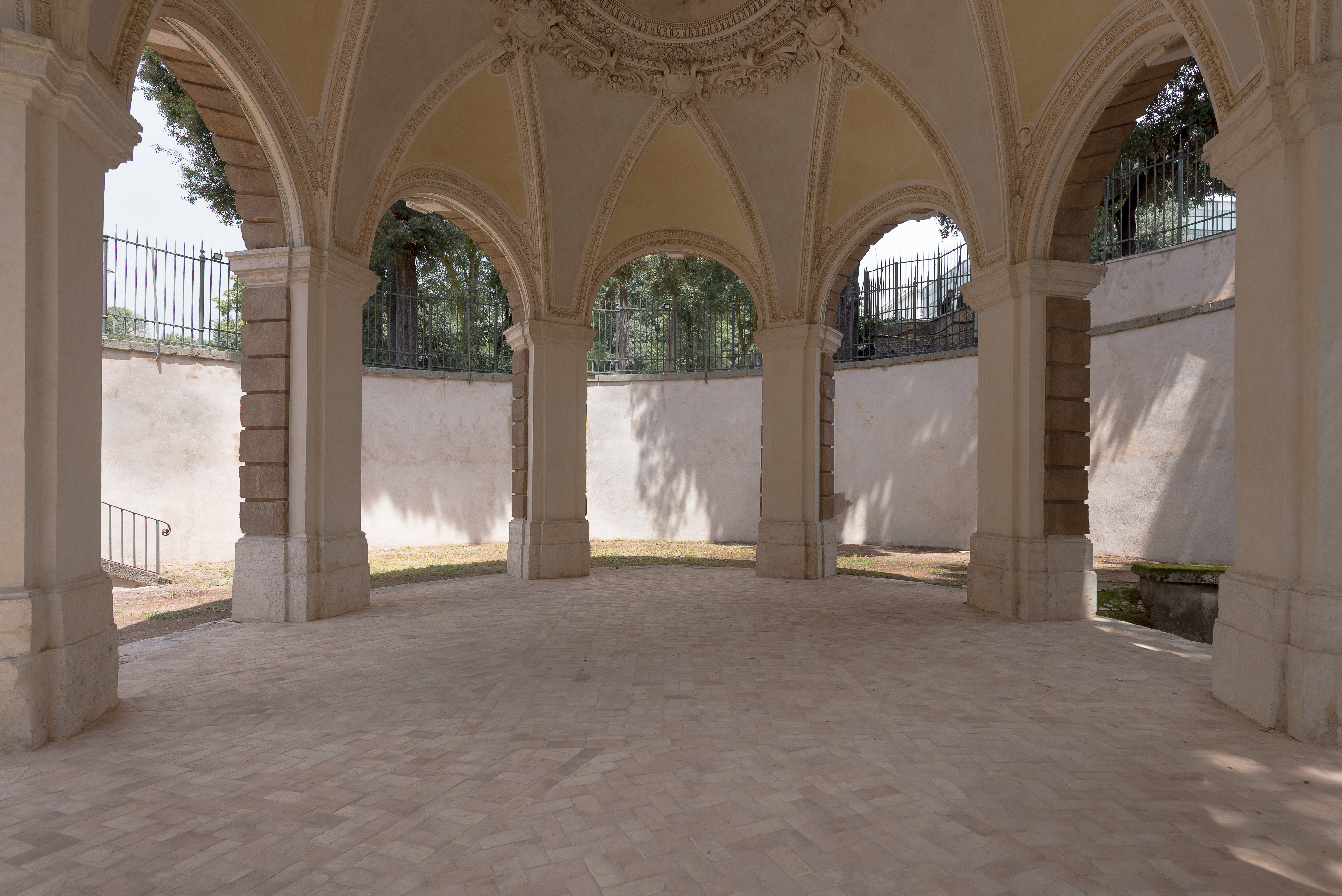
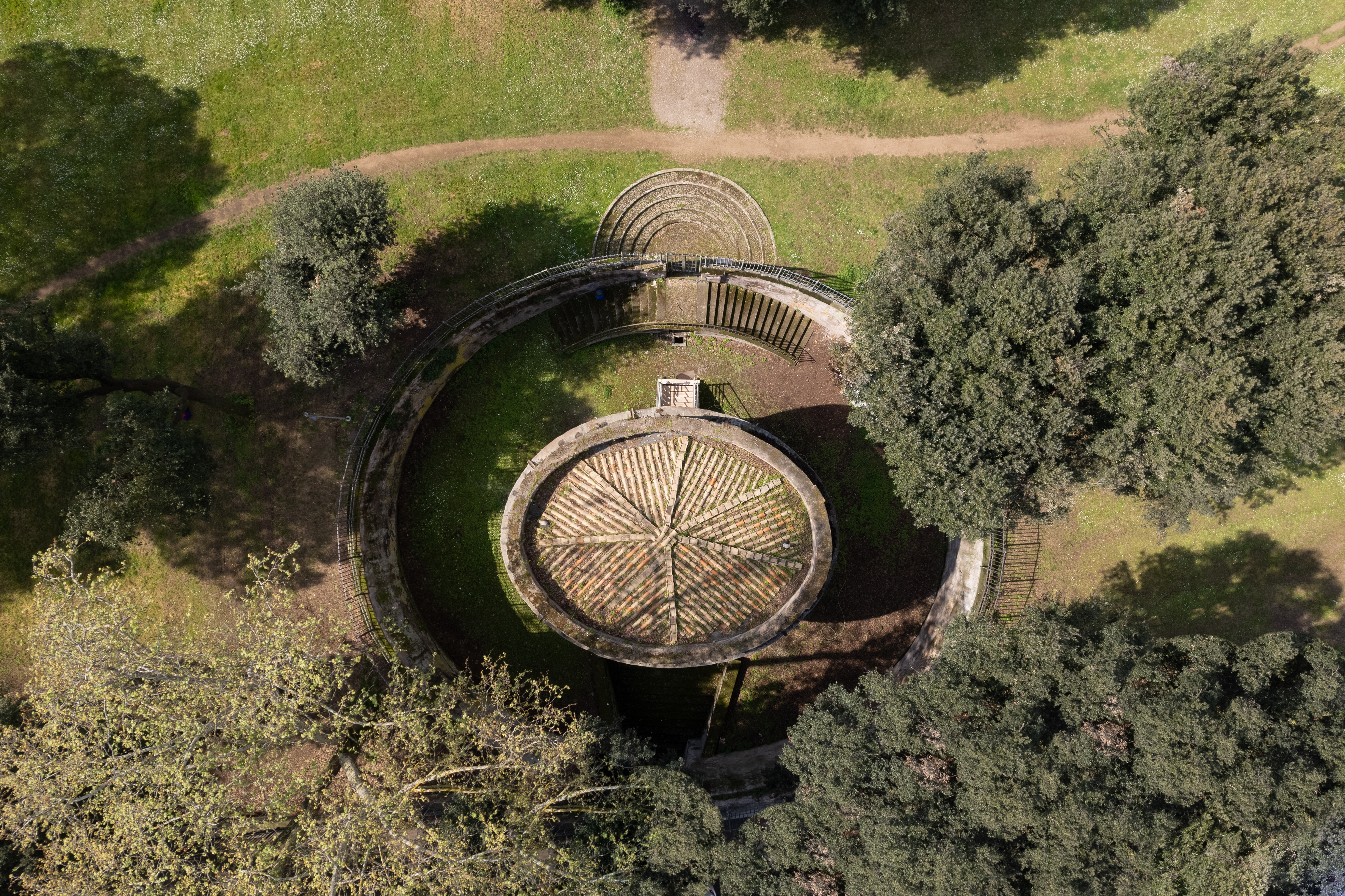
The complex is centred around a rustic oval pavilion framed by eight stone pillars and overlooking a large semicircular exedra. Beneath the Loggia lies the so-called Grotta dei Vini (Wine Grotto), an underground chamber of Roman origin used to keep wine cool and connected to the Casino Nobile by a subterranean passage. Contemporary accounts describe it as a veritable “pantry of nectars and ambrosias”, the heart of the convivial culture promoted by Cardinal Scipione.
The Nymphaeum was originally enriched with sculptures, fountains and finely crafted marble furnishings. At the center of the loggia stood a large marble table used for banquets, while sophisticated water features and theatrical effects were designed to surprise and delight guests. Over the centuries, many of these elements were lost, making the restoration and enhancement of the site more significant.
As time passed, the complex gradually deteriorated and lost much of its decorative fabric. The restoration project has halted this decline and recovered its key architectural features.
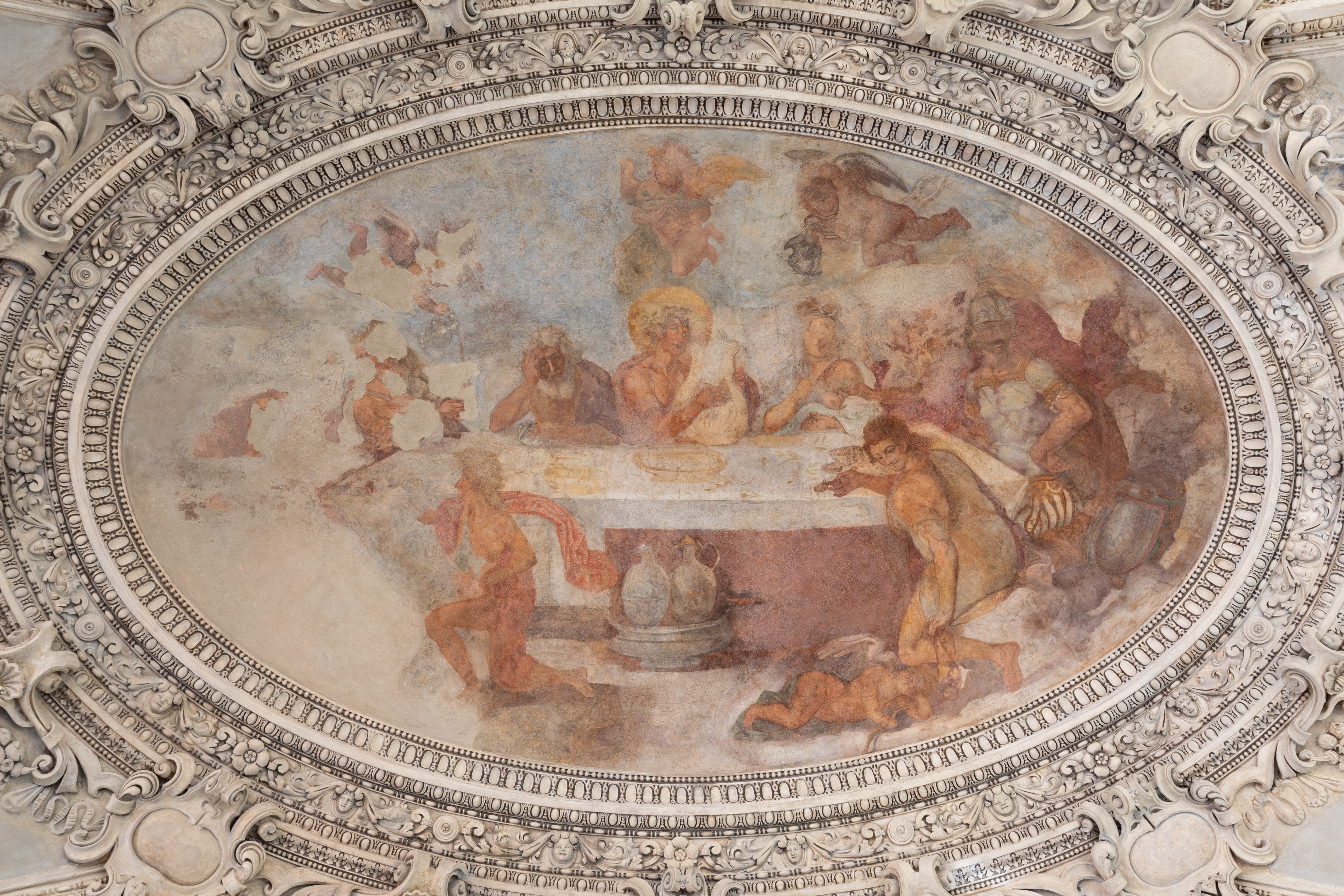
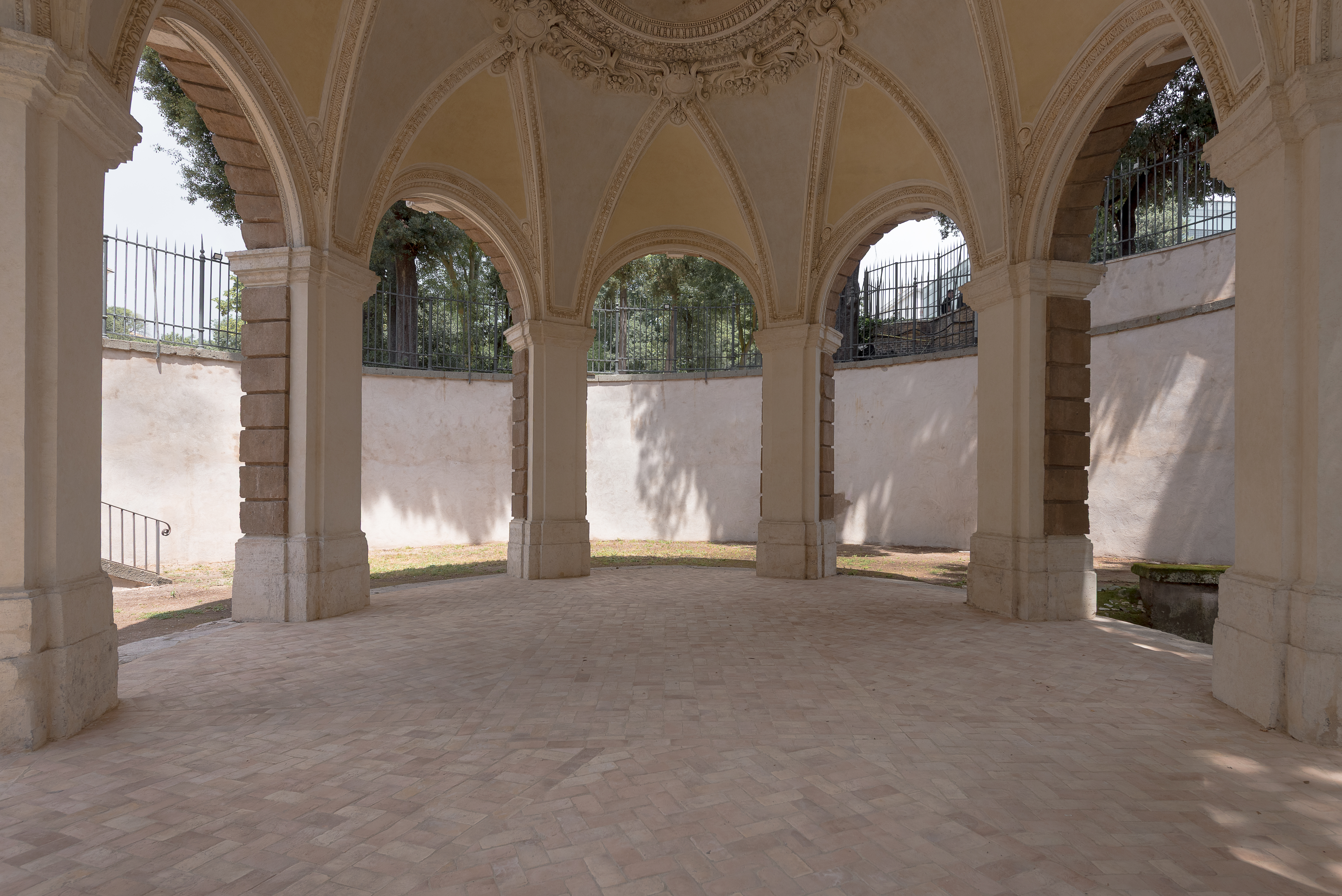
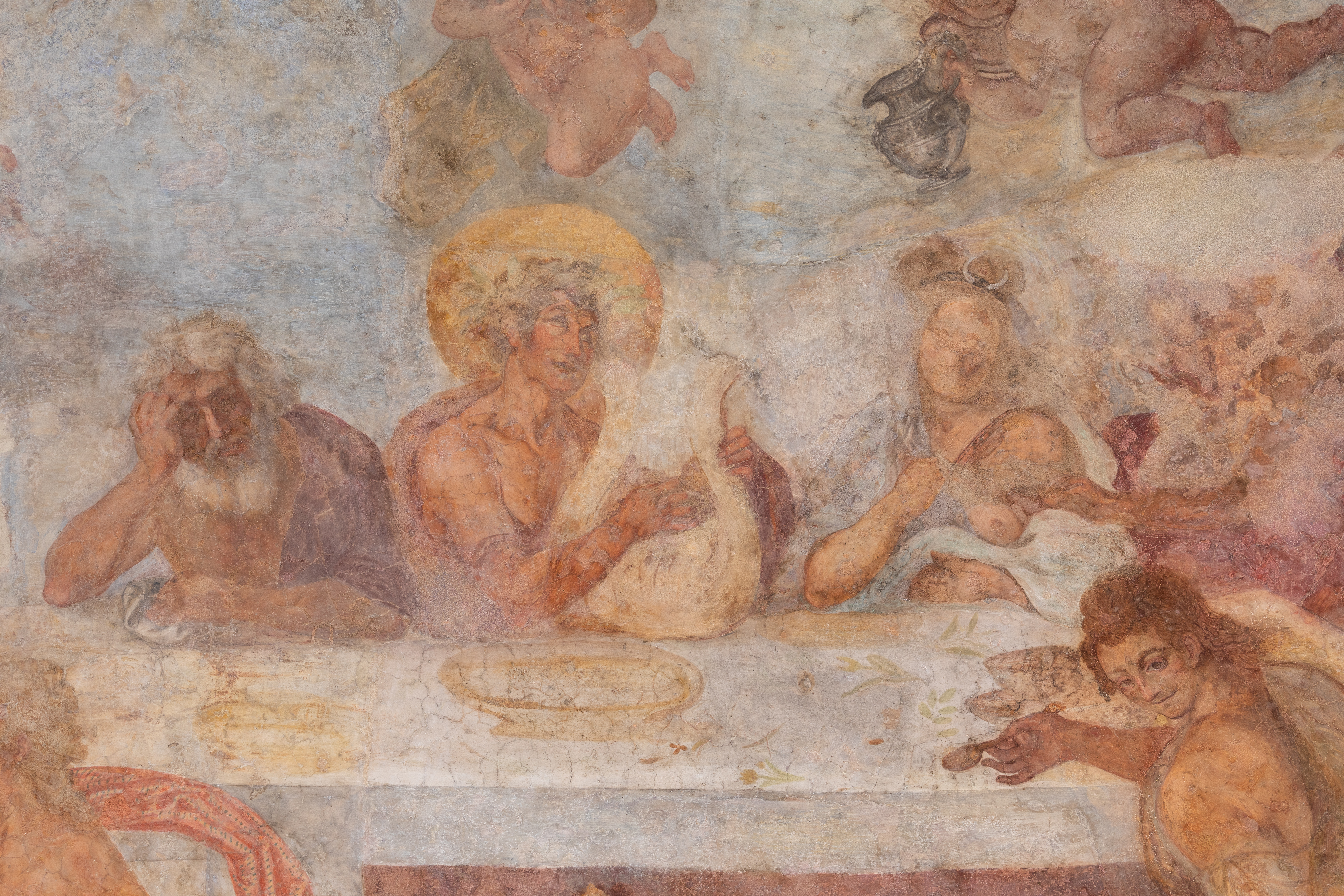
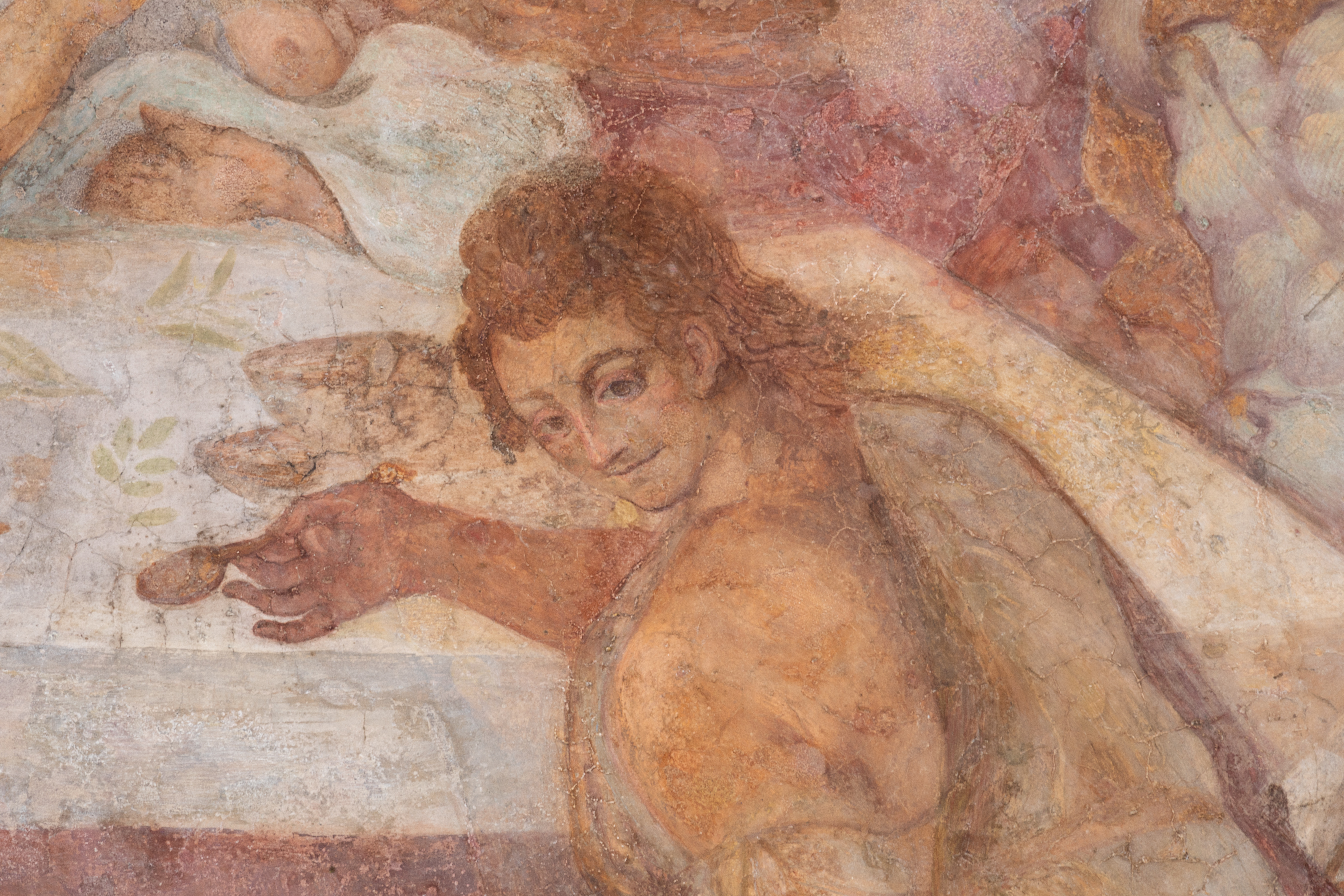
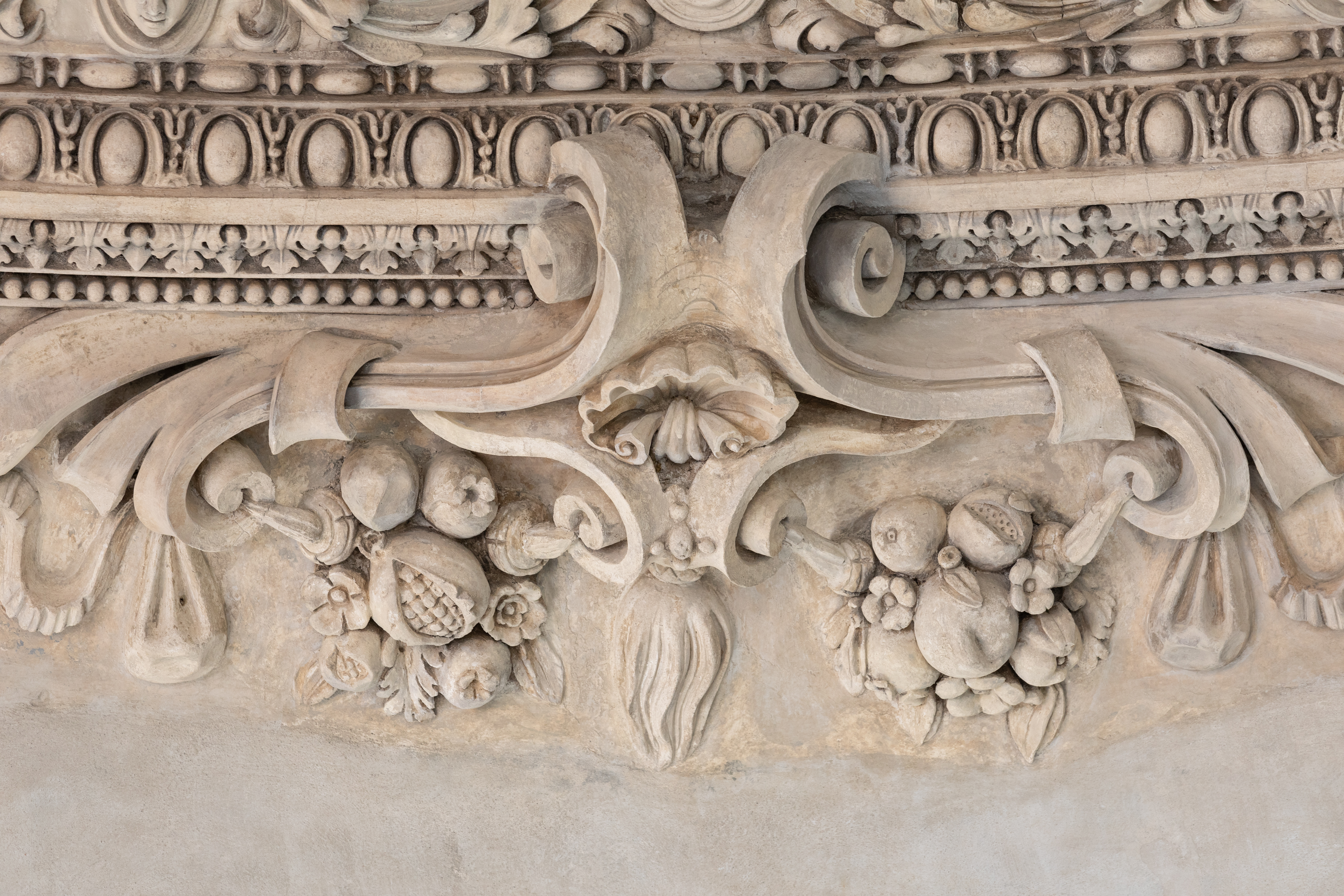
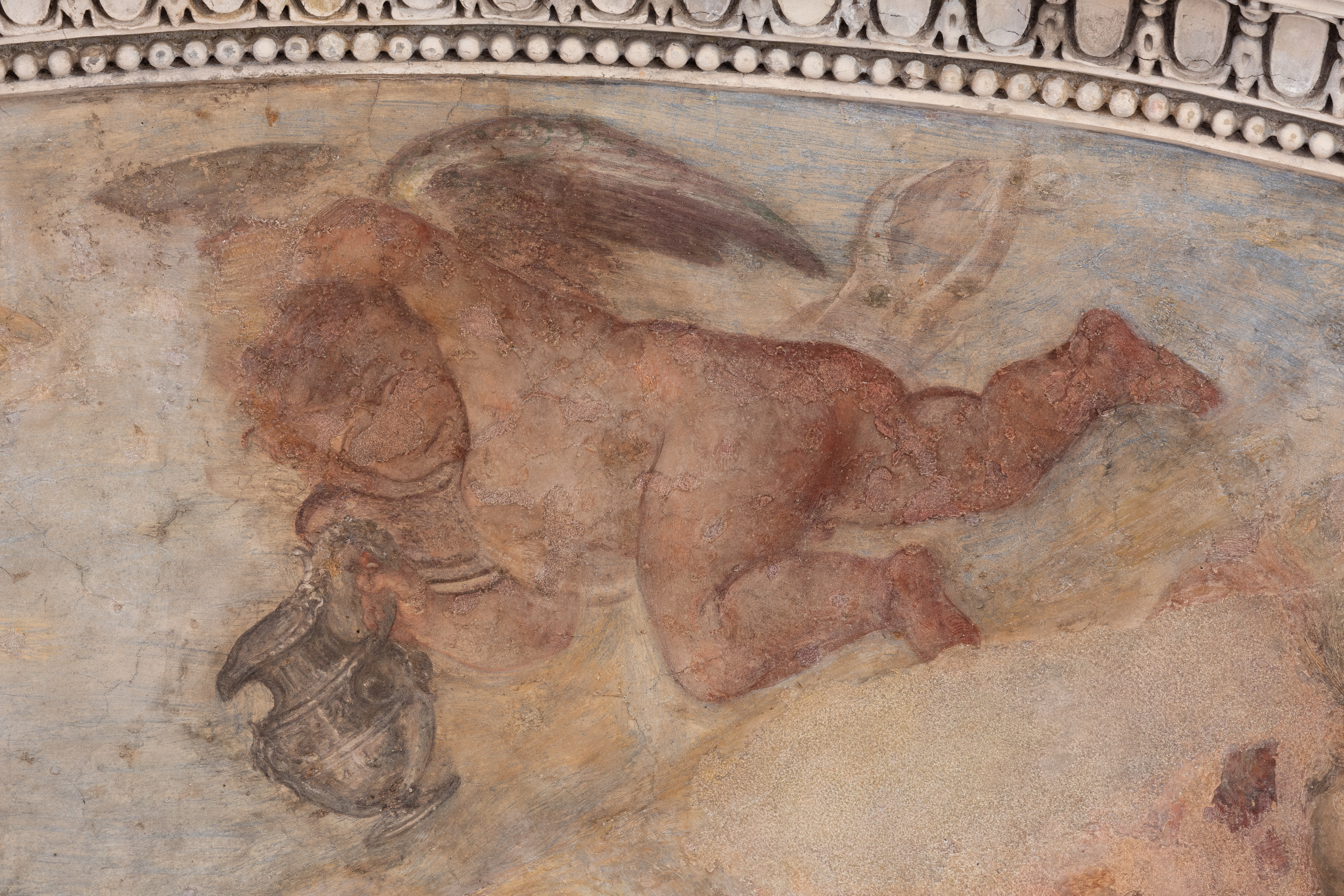
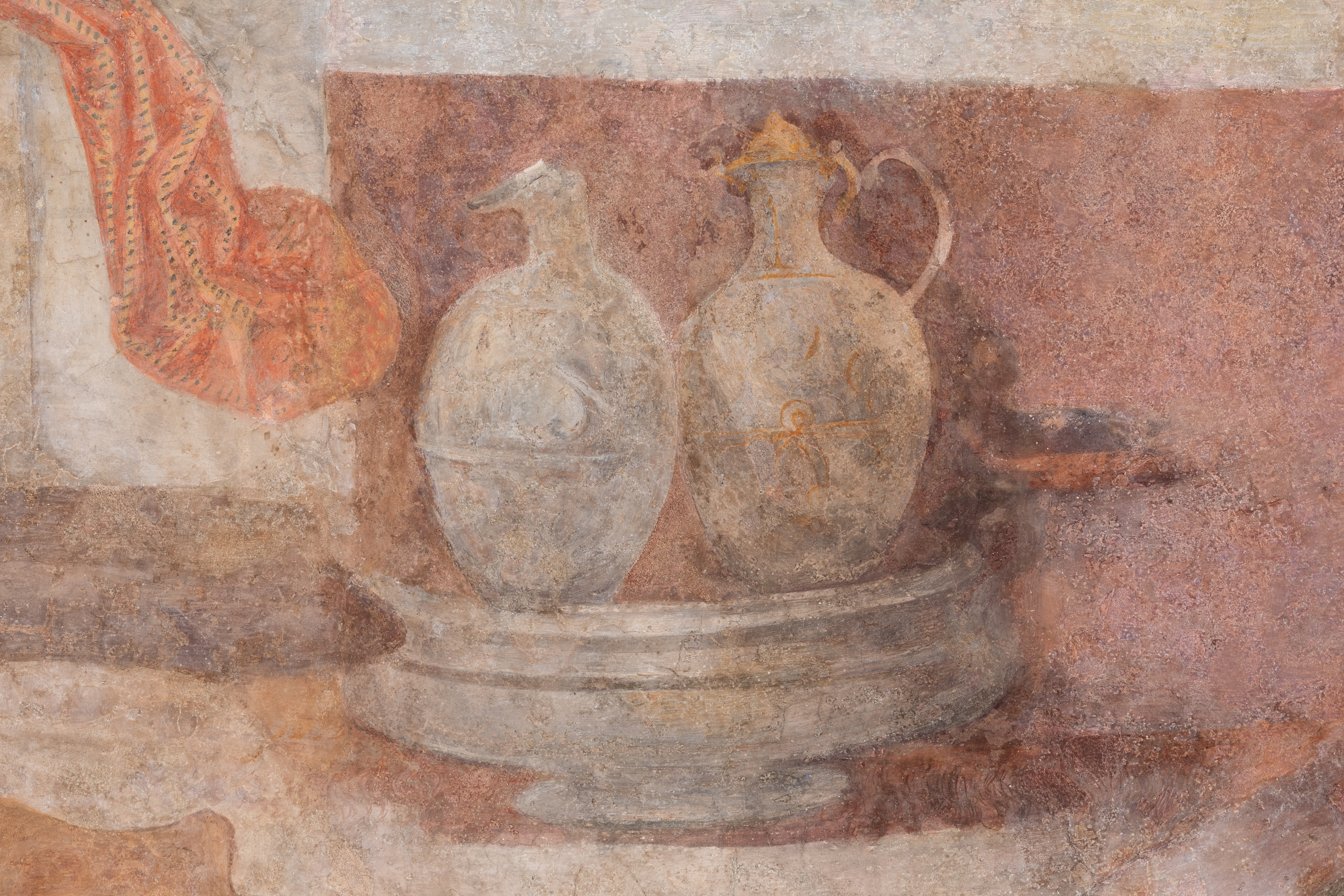
The first phase of works, completed in 2024, focused on the interior spaces of the Loggia and its access staircase. The intervention included the restoration of the decorated vault, stucco mouldings and Archita Ricci's seventeenth-century fresco *The Banquet of the Gods*, as well as the structural consolidation of pillars damaged by water infiltration.
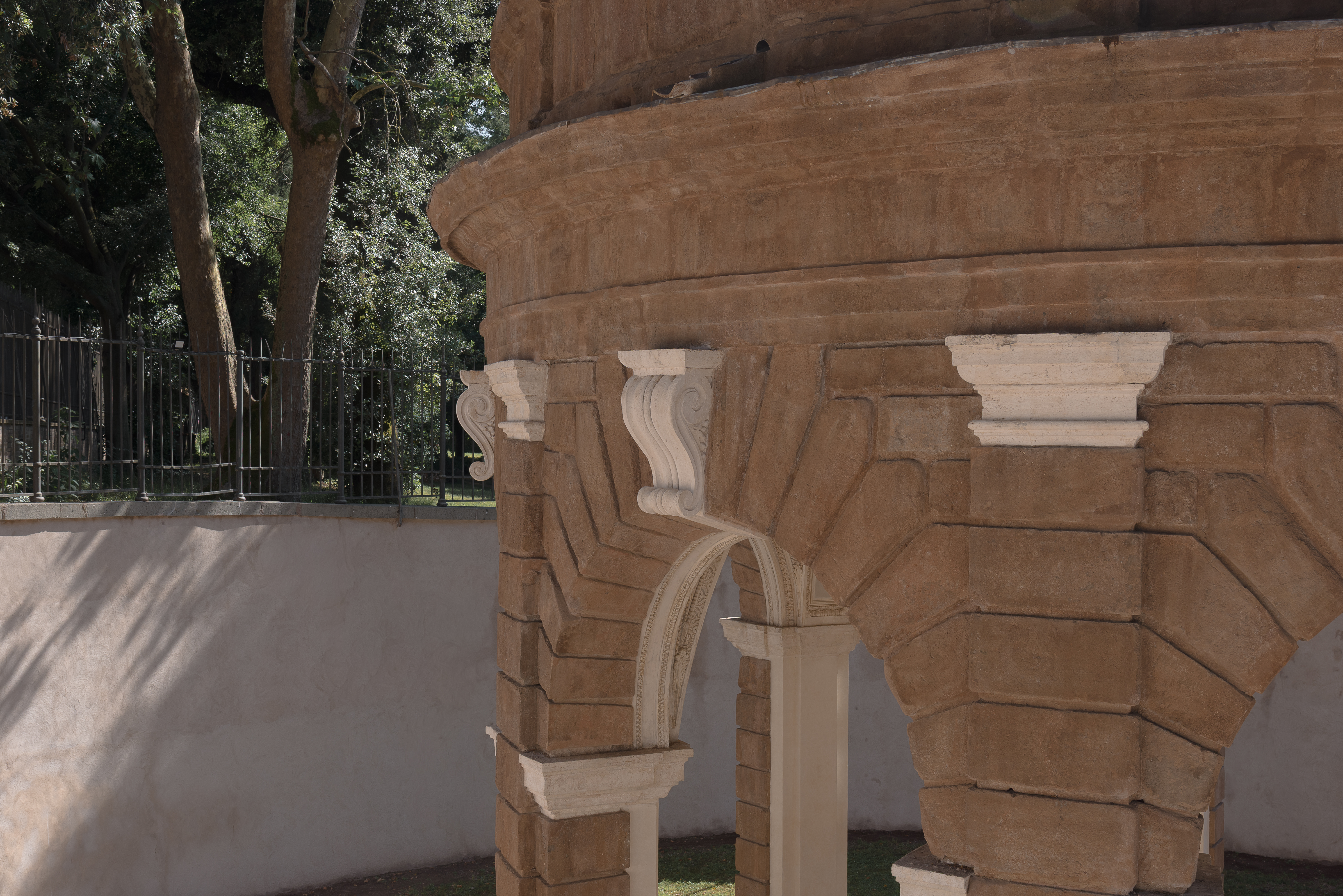
The second phase, completed in 2025, involved the restoration of the external surfaces of the rustic Loggia and the renewal of its plasterwork, restoring clarity and legibility to the pavilion's architectural design.
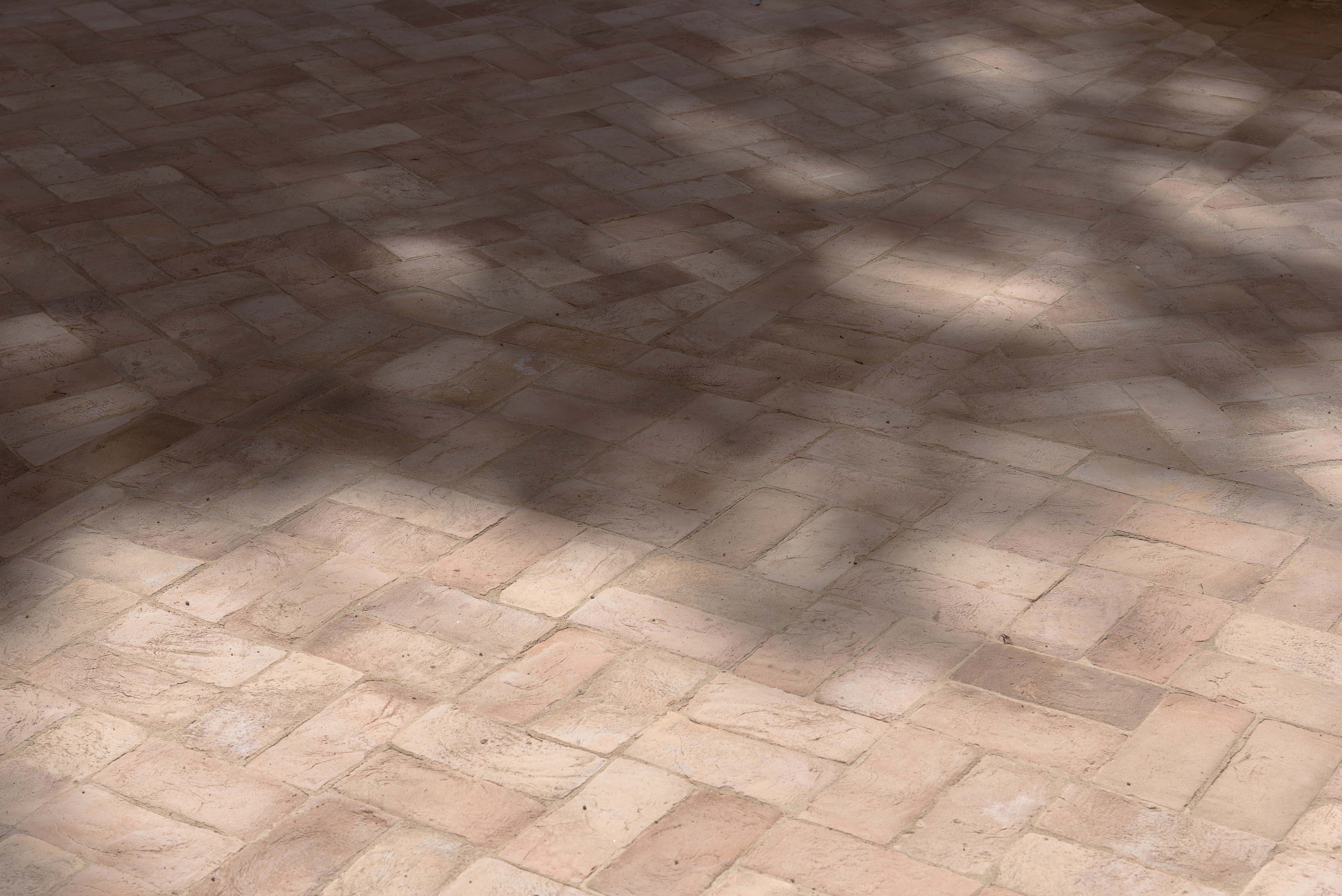
The third and final phase, completed in 2026, saw the restoration of the plasterwork along the exedra surrounding the Loggia and the reinstatement of the terracotta flooring inside the loggia, which had been entirely lost over time.
The new floor was produced in collaboration with Maestri del Cotto, an artisanal kiln based in Città della Pieve and renowned for its handmade, wood-fired terracotta. The company preserves traditional production techniques, from the selection of natural clays and hand-forming of each piece to slow air-drying and firing in wood-burning kilns. The result is a material distinguished by its natural tones and subtle imperfections, in keeping with the historic tradition of terracotta craftsmanship.
The completion of the restoration marks the end of a three-year journey and reflects Ghella's ongoing commitment to the protection and enhancement of cultural heritage. It returns to the city a historic place that had long remained beyond public reach.
We believe that memory is a living force, that public beauty matters, and that caring for the past is an essential part of building the future.